
IntimateToysUAE · Guide
Body-Safe Materials: Reading Labels on Intimate Products
"Body-safe" appears on almost every listing and means very little on its own. The term is unregulated — nobody certifies it — so the question to ask is narrower and more useful: what is this made of, and how will that material behave in eighteen months?
Four materials cover almost everything sold in the UAE.
Silicone: the reliable default
Platinum-cured silicone is non-porous, stable across a wide temperature range, and wipes clean with mild unscented soap. It does not hold residue between uses and it does not degrade from ordinary cleaning.
The practical test: silicone has a slightly draggy, matte feel that grips the fingertip very lightly. It does not feel slick or oily. Press it and it springs back cleanly without leaving a fingerprint.
It costs more, and it is worth it. A silicone product that gets washed and dried properly will usually outlast two or three cheaper replacements.
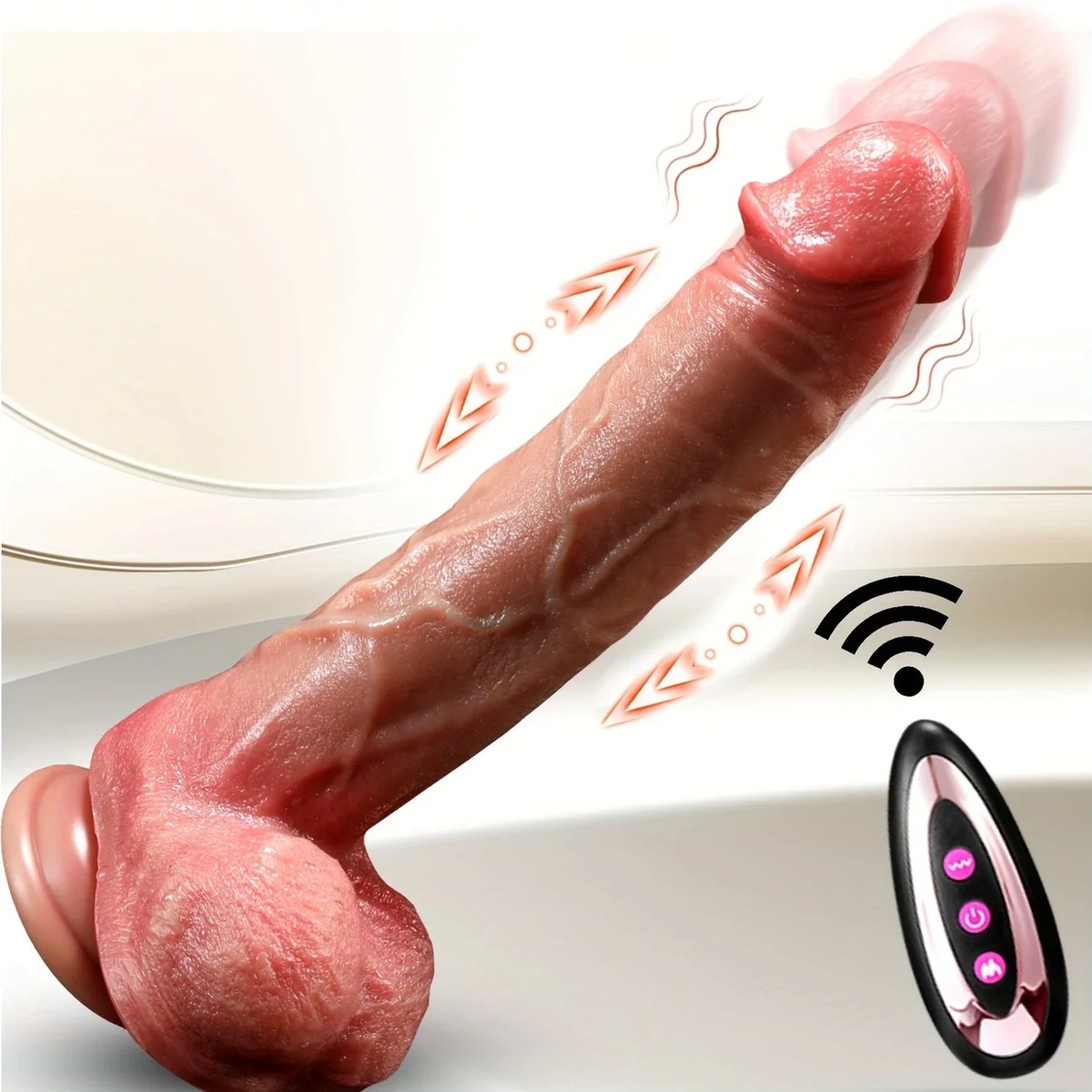
The realistic silicone dildo is a straightforward example — non-porous throughout, no seams to trap moisture, minimal maintenance.
ABS: rigid, honest, and underrated
ABS is the hard plastic used in compact vibrating products. It is non-porous and easy to clean, and it is completely rigid — no give at all.
People read rigidity as cheapness. It is not: rigidity transmits vibration efficiently, which is why smaller external stimulators use it for bodies while reserving silicone for contact surfaces.
Care is simple: wipe it down, do not submerge anything with an exposed contact, and avoid dropping it onto hard tile. ABS shells can crack at a seam in a way silicone never will.
TPE and porous blends: know what you are buying
TPE and similar blends are soft, warm to the touch and cheap. They also have microscopic pores that no amount of washing reaches.
That porosity has consequences:
- Residue stays in the surface rather than washing away
- It needs renewing powder to stay usable
- It softens faster in sustained heat — worth weighing in UAE summer temperatures
- It has a shorter usable life in practice, sometimes substantially
This is not a reason never to buy it. It is a reason to buy it knowingly, expecting a shorter life and treating it accordingly.
Why heat changes the calculation
Sustained heat affects porous blends far more than it affects silicone. A product left in a closed room during July, or sitting in a delivery vehicle mid-afternoon, will handle that differently depending on what it is made of — porous blends soften and lose their finish, silicone largely does not.
The practical takeaway: if a product will live in a bathroom cupboard through a UAE summer, non-porous is the safer default.
Lubricant compatibility is part of this
Water-based lubricant suits every material here. Silicone-based lubricant is fine with glass or ABS, and destructive against silicone — it breaks the surface down over repeated use, leaving it tacky and then degrading.
If a product is silicone, the lubricant must be water-based. There is no workaround, and this is the mismatch that quietly ruins otherwise good products. Our water-based lubricant guide covers how much to use and when to reapply.
Reading a listing properly
What to look for, in order:
- A named material — "silicone", "ABS", "stainless steel" — rather than "soft material" or "skin-friendly gel"
- A note that it is phthalate-free, which most decent listings now state
- Any care instruction that mentions soap and water, which implies a non-porous surface
- A price that is not implausibly low for the size; very cheap soft products are almost always porous blends
Where each material makes sense
Silicone for anything that sees regular use and regular washing — the heating and vibrating design uses a silicone body over its internal mechanism, which is the combination that ages best.
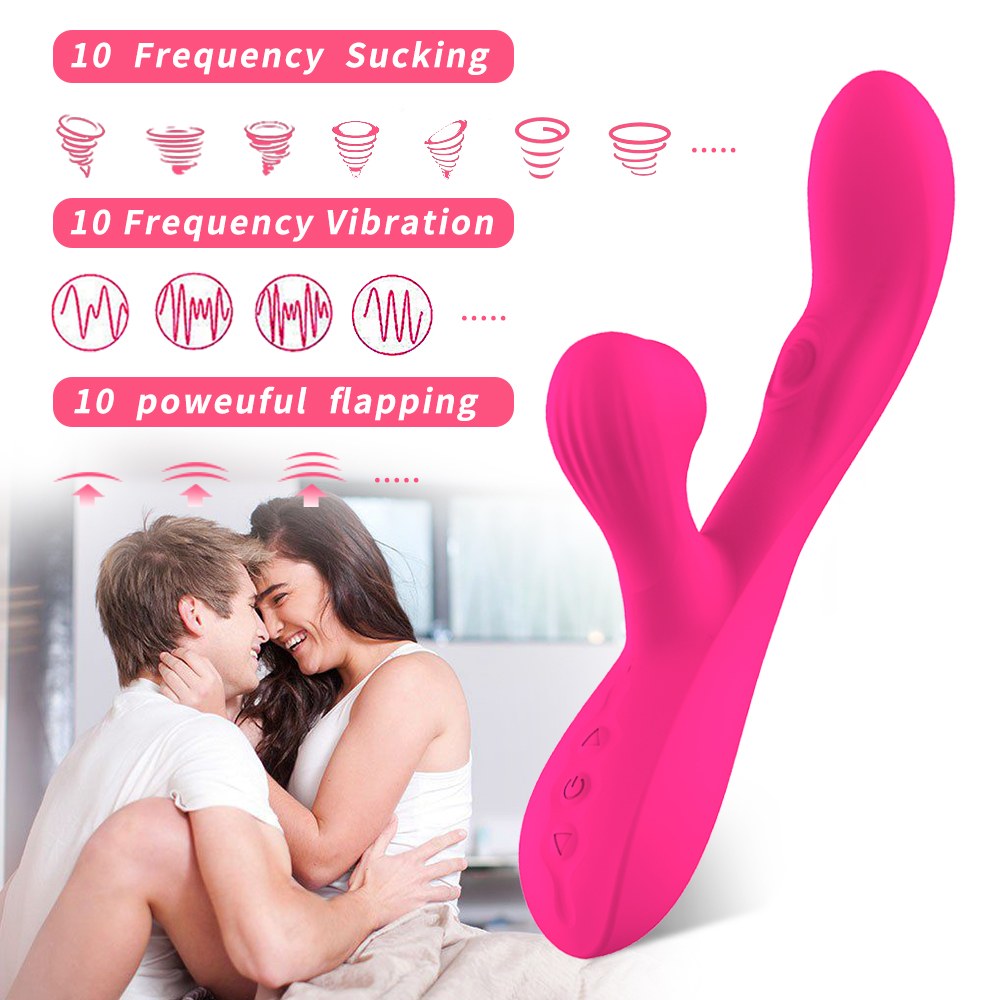
ABS for compact external stimulators where rigidity helps transmission, like the air pulse suction stimulator.
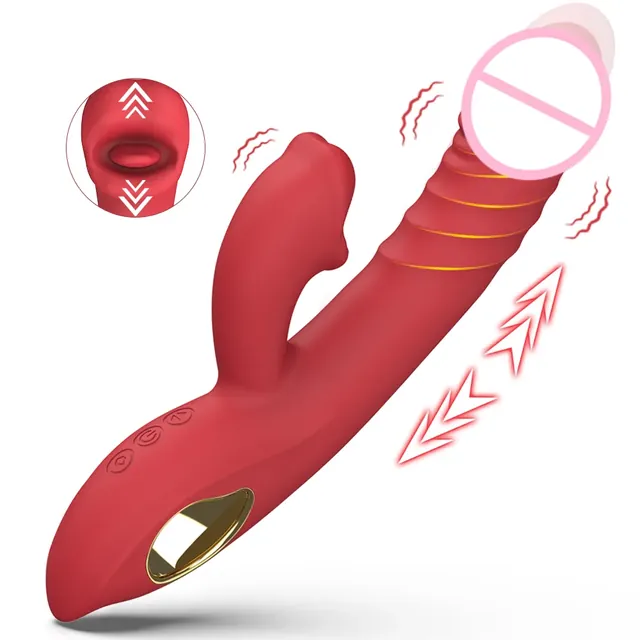
Larger multi-function products — the multi motor thrusting vibrator combines several in one body — should be silicone-skinned, because the seams around moving parts are exactly where moisture collects. Cleaning follows the full routine, and if you are choosing your first product, the beginner's guide puts material alongside size and noise.
Pick the material first. Everything else — size, features, mode count — is preference.
Products in This Guide

Continue Reading
- How to Clean Intimate Products So They Actually Last
Most products that fail early fail because of how they were dried and stored, not because of how they were used.
- Your First Vibrator in the UAE: What Actually Matters
Size, sound and material beat raw power when you are buying your first vibrator. Here is how to weigh them.
- Air Pulse vs Vibration: How the Two Actually Differ
One moves air, the other moves a surface. The difference matters more than intensity settings.
Helpful Answers
Is silicone better than TPE?
For longevity and cleaning, yes. Silicone is non-porous and lasts years with basic care. TPE is softer and cheaper but porous, so it cannot be cleaned as thoroughly.
What does body-safe actually mean on a label?
It should mean the surface is non-porous and stable in contact with skin. The term is unregulated, so check what the material actually is listed as.
Can I use any lubricant with silicone products?
Use water-based. Silicone-based formulas break down silicone surfaces over time, leaving them tacky.
How can I tell what a product is made of?
Check the specification rather than the marketing copy. A listing that says only 'soft material' is usually a porous blend.
Does heat affect different materials differently?
Yes. Porous blends soften and degrade faster in sustained heat, which matters for anything stored in a hot room or delivered during summer.
Is firmer material safer?
Firmness is a design choice, not a safety signal. Rigid ABS has no give; soft silicone flexes. Both can be non-porous and easy to clean.